 (+035) 527-1710-70
 NEWSLETTER

Blog
How to Serve and Organise Wine at Home in Singapore
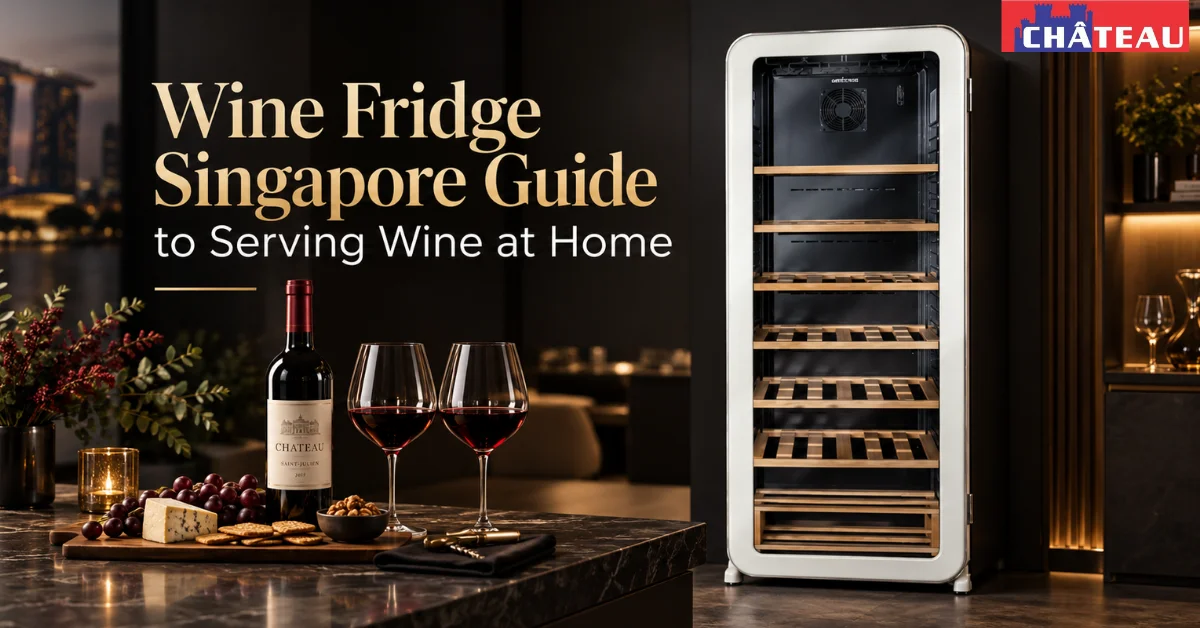
Buying good wine is only half the experience. The other half happens in the few minutes before you pour: the temperature of the bottle, the order in which you open them and the food on the table. Get those details right and an ordinary bottle tastes noticeably better. Get them wrong and even an expensive one can feel flat.
This guide covers the practical side of enjoying wine at home in Singapore, from organising your shelves to pairing wine with the dishes we actually eat. If you already own a Wine Fridge Singapore unit, it will help you use it far more effectively. If you do not, it will show you what proper temperature control makes possible.
Why Serving Temperature Changes the Taste of Wine
Temperature affects how we perceive aroma, sweetness, acidity and alcohol. When wine is too cold, its aromas stay locked in and it can taste thin or overly sharp. When it is too warm, the alcohol becomes more prominent and the fruit tastes soft and heavy.
This matters more in Singapore than in cooler countries. The old advice to serve red wine at room temperature comes from European homes that sat at about 16°C to 18°C, not a Singapore living room at 29°C. Pouring a red straight from the cupboard here often means serving it 10°C too warm, which is exactly the problem a Wine Fridge Singapore households rely on is designed to solve.
A Simple Serving Temperature Guide
Use these ranges as a starting point, then adjust to your own taste:
- Champagne and sparkling wine: 6°C to 8°C for crisp, fine bubbles
- Light, aromatic whites such as Riesling and Sauvignon Blanc: 7°C to 10°C
- Fuller whites such as oaked Chardonnay: 10°C to 13°C
- Rosé: 8°C to 12°C
- Light reds such as Pinot Noir and Gamay: 12°C to 14°C
- Medium to full-bodied reds such as Merlot, Cabernet Sauvignon and Shiraz: 15°C to 18°C
- Sweet and fortified wines such as Sauternes and Port: 8°C to 12°C for sweet whites and 14°C to 17°C for Port
Remember that wine warms up quickly in the glass in our climate. Serving it one or two degrees cooler than your target gives it room to open up at the table.
How to Organise Your Wine Fridge
A thoughtful layout saves time, protects your best bottles and keeps the door open for shorter periods, which helps the cabinet hold a steady temperature.
Divide by Purpose, Not Just by Colour
Group bottles into three simple categories: wines to drink this week, wines to open in the next few months and wines you are ageing. Keep the drink-now bottles on the most accessible shelves and the long-term bottles lower down or at the back, where they will be disturbed less.
Use Dual Zones Strategically
In a dual-zone wine chiller, set the cooler zone for whites and sparkling wine at serving temperature, and the warmer zone for reds at around 14°C to 16°C. This way, every style is ready to pour without extra chilling or waiting.
Keep Labels Visible
Store bottles with the labels facing up or outward so you can find what you need without pulling everything out. Some collectors add a small neck tag with the vintage and the ideal drinking window.
Leave a Little Space
Packing every slot to the limit blocks airflow and makes it harder for the cabinet to keep an even temperature. Leaving a few gaps also gives you room for gifts and new purchases.
Matching Fridge Size to How You Entertain
Your hosting style should influence the size of cabinet you use.
- If you enjoy a quiet glass with dinner and host occasionally, a small wine fridge Singapore model holding around 30 bottles is usually enough.
- If you host friends a few times a month or keep reds and whites in rotation, a medium wine chiller gives you room for both without constant rearranging.
- If you throw large gatherings, run a home bar or keep cases for festive seasons, a large wine chiller Singapore cabinet keeps everything ready and properly stored in one place.
For collectors who want both long-term ageing and a ready-to-serve selection, a full-height Wine Cellar Singapore cabinet can do the job of a traditional cellar in a fraction of the space.
Pairing Wine With Singapore’s Favourite Dishes
Local food is bold, spicy, sweet and savoury, often all at once. These pairings are reliable starting points:
- Chilli crab: An off-dry Riesling or Gewürztraminer balances the heat and sweetness of the sauce.
- Hainanese chicken rice: A light, crisp white such as Pinot Grigio, or a chilled Pinot Noir, keeps the dish fresh and clean.
- Laksa: Aromatic whites with a touch of sweetness stand up well to the coconut and spice.
- Char kway teow: A fruity, low-tannin red such as Gamay, or a dry rosé, cuts through the smoky, oily richness.
- Satay: A juicy Grenache or Shiraz complements the charred meat and peanut sauce.
- Festive feasts and mooncakes: Riesling suits lotus seed paste, Champagne balances salted egg yolk, Pinot Noir works with red bean and Port pairs naturally with chocolate fillings.
As a general rule, spicy food pairs better with lower-alcohol wines that have some fruit or sweetness, because high alcohol and heavy tannins make chilli feel hotter.
How to Chill Wine Quickly When You Forget
Even the best planners occasionally forget to chill a bottle. The fastest method is an ice bucket filled with ice, water and a generous handful of salt. The salt lowers the freezing point of the water, and most whites will reach serving temperature in about 10 to 15 minutes. Avoid the freezer if you can, because it is easy to forget the bottle and end up with a cracked glass or a pushed-out cork.
Of course, the easiest solution is to keep your whites and sparkling wine in a dedicated chiller for wine so they are always ready to open.
How Long Does Opened Wine Last?
Once a bottle is opened, oxygen begins to change the wine. Re-cork it and store it cold to slow this process:
- Sparkling wine: 1 to 3 days with a proper stopper
- Light whites and rosé: 3 to 5 days
- Full-bodied whites: 3 to 5 days
- Red wines: 3 to 5 days, with fuller reds sometimes lasting a little longer
- Fortified wines: Several weeks
Store opened reds in the cold as well, then take them out about 30 minutes before pouring so they return to serving temperature.
Small Habits That Make a Big Difference
- Open the cabinet door only when needed and close it promptly, especially on hot days.
- Move bottles as little as possible, particularly older reds with sediment.
- Stand an older red upright for a day before serving so the sediment settles to the bottom.
- Keep a note of what you drink and enjoy, so your next purchase is easier.
A reliable Wine fridge SG setup combined with these habits turns everyday wine into a better experience, and makes hosting noticeably easier.
Chateau Wine Coolers has helped Singapore households store and serve wine properly since 2006. Whether you are choosing your first unit or upgrading to a larger one, you can explore single-zone and dual-zone cabinets at the showroom at 15 Kian Teck Crescent or browse the full range online to find the Best Wine Fridge for your space.
Frequently Asked Questions
What temperature should red wine be served at in Singapore?
Serve light reds at 12°C to 14°C and fuller reds at 15°C to 18°C. Room temperature in Singapore is usually too warm, so chill reds briefly before pouring.
Should I keep white and red wine in the same wine fridge?
Yes. A dual-zone unit lets you keep whites and sparkling wine colder in one section and reds slightly warmer in the other. A single-zone unit set to 12°C to 14°C also works for mixed storage.
How long does wine last after opening?
Most still wines last 3 to 5 days when re-corked and kept cold. Sparkling wine lasts 1 to 3 days with a good stopper, and fortified wines can last several weeks.
What wine goes well with spicy Singaporean food?
Off-dry, aromatic whites such as Riesling or Gewürztraminer are the most reliable choice because their sweetness and lower alcohol balance the heat.
How can I chill a bottle of wine quickly?
Place it in an ice bucket with ice, water and salt. Most white wines reach serving temperature in about 10 to 15 minutes.
How should I organise bottles in a wine fridge?
Keep drink-now bottles on the easiest shelves, store ageing bottles lower down, leave labels visible and avoid overpacking so air can circulate.